
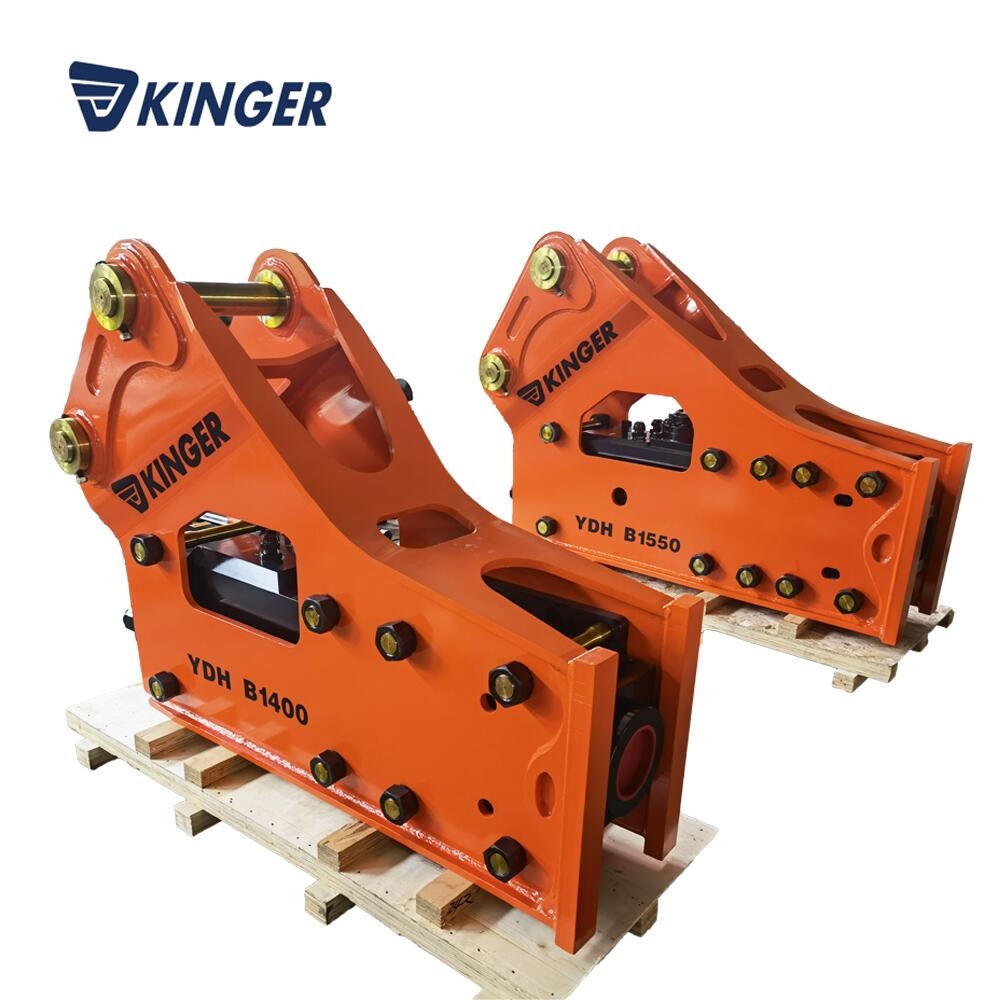
This expert‑verified wholesale guide to hydraulic skid steer attachments is designed for
importers, distributors, rental fleets, contractors, OEM brands and procurement specialists who need
in‑depth, non‑promotional information for sourcing from manufacturers and suppliers worldwide.
A hydraulic skid steer attachment is a work tool powered by the skid steer loader’s
auxiliary hydraulic system. These attachments connect through a quick‑attach mounting plate and
use hydraulic flow and pressure from the carrier to perform specialized tasks such as digging, breaking,
trenching, augering, sweeping, lifting, mulching, and snow removal.
For wholesale buyers and sourcing managers, understanding standards, specifications, hydraulic system
requirements, and quality indicators is critical before selecting a hydraulic skid steer attachment
manufacturer or supplier. This guide focuses on technical and commercial criteria rather than
specific brand recommendations.
Hydraulic skid steer attachments add versatility, productivity, and ROI to any skid steer fleet. The
main advantages include:
High versatility: One skid steer can perform dozens of tasks by swapping different hydraulic
attachments such as breakers, augers, trenchers, brooms, rakes and cold planers.
Increased productivity: Purpose‑built hydraulic tools are faster and more efficient than
manual labor or non‑powered attachments.
Better equipment utilization: Rental houses and contractors can keep skid steers busy
year‑round in construction, landscaping, agriculture and municipal work.
Reduced labor intensity: Hydraulic assist reduces operator fatigue and manual handling of
heavy materials.
Precision and control: Proportional hydraulic controls and flow dividers give fine control
over speed, torque and impact force.
Lower capital costs: Buying attachments is generally cheaper than purchasing dedicated
stand‑alone machines for each task.
A hydraulic skid steer attachment is a modular implement that:
| Term | Definition | Relevance to Attachments |
|---|---|---|
| GPM / LPM | Gallons per minute (liters per minute) of hydraulic oil flow from the machine. | Determines attachment speed, torque and power output. |
| PSI / Bar | Hydraulic system pressure rating. | Affects maximum force (impact, breakout force, cutting power). |
| Case Drain | Low‑pressure return line from hydraulic motor housing to tank. | Required for some high‑speed motors (e.g., mulchers, planers) to prevent seal damage. |
| Flow Range | Minimum and maximum hydraulic flow the attachment is designed for. | Must match host skid steer’s standard‑flow or high‑flow circuit. |
| Duty Cycle | Typical operating cycle time vs rest time. | Important for breakers and other high‑heat attachments. |
Wholesale buyers usually manage portfolios that include several of the most demanded hydraulic skid steer
attachment types. The table below summarizes typical applications and basic specifications.
| Attachment Type | Primary Function | Typical Flow Range | Typical Pressure Range | Main Industries |
|---|---|---|---|---|
| Hydraulic Breaker / Hammer | Breaking concrete, rock, asphalt | 8–30 GPM (30–115 LPM) | 1,800–3,500 PSI (125–240 Bar) | Construction, demolition, quarry, road work |
| Hydraulic Auger Drive | Drilling holes for posts, piers, trees | 8–35 GPM (30–130 LPM) | 2,000–3,500 PSI (140–240 Bar) | Fencing, landscaping, utilities, agriculture |
| Hydraulic Trencher | Digging narrow trenches for utilities | 13–40 GPM (50–150 LPM) | 2,500–3,500 PSI (175–240 Bar) | Telecom, electrical, irrigation, drainage |
| Hydraulic Cold Planer / Asphalt Planer | Milling asphalt and concrete surfaces | 15–45+ GPM (60–170+ LPM) | 2,500–4,000 PSI (175–275 Bar) | Road maintenance, paving, municipalities |
| Hydraulic Brush Cutter / Mower | Cutting brush, grass, light trees | 14–35+ GPM (55–130+ LPM) | 2,500–3,500 PSI (175–240 Bar) | Land clearing, right‑of‑way, forestry, agriculture |
| Hydraulic Mulcher | Fine mulching of trees and heavy brush | 25–45+ GPM (95–170+ LPM) | 3,000–4,500 PSI (205–310 Bar) | Forestry, land reclamation, utilities |
| Hydraulic Sweeper / Broom | Sweeping and collecting debris | 8–25 GPM (30–95 LPM) | 2,000–3,500 PSI (140–240 Bar) | Municipal cleaning, construction sites, rental |
| Hydraulic Grapple (Rotating or Fixed) | Material handling, demolition sorting | 8–25 GPM (30–95 LPM) | 2,000–3,500 PSI (140–240 Bar) | Scrap, recycling, construction, forestry |
| Hydraulic Snow Blower | Blowing and throwing snow | 15–40 GPM (60–150 LPM) | 2,500–3,500 PSI (175–240 Bar) | Municipalities, property maintenance, rental |
| 4‑in‑1 / Multi‑Purpose Bucket (Hydraulic) | Clamping, dozing, grading, back‑dragging | 8–25 GPM (30–95 LPM) | 2,000–3,500 PSI (140–240 Bar) | Construction, landscaping, general contracting |
A critical sourcing parameter for any hydraulic skid steer attachment is compatibility with the
carrier’s hydraulic system. Most skid steers are offered with:
Heavy‑duty hydraulic skid steer attachments such as cold planers, mulchers, high‑capacity snow blowers and
large trenchers may require high‑flow hydraulic circuits and sometimes a case‑drain line. Wholesale buyers
must confirm:
| Category | Standard‑Flow Compatible? | High‑Flow Recommended? | Comment |
|---|---|---|---|
| Light‑duty brooms, small augers, hydraulic grapples | Yes | No | Designed for wide compatibility across rental fleets. |
| Medium augers, trenchers, breakers | Yes (selected models) | Optional for higher performance | Often offered in multiple motor sizes. |
| Cold planers, heavy mulchers, large snow blowers | Limited / not recommended | Yes | Require high power; performance drops on low‑flow machines. |
| Forestry cutters and heavy land clearing tools | No for most models | Yes, often with case drain | Continuous heavy load produces high heat and requires robust systems. |
When communicating with hydraulic skid steer attachment manufacturers and suppliers, procurement teams
should typically collect the following specification data:
| Specification Category | Example Parameters | Why It Matters |
|---|---|---|
| Hydraulic Requirements | Flow range (GPM/LPM), operating pressure (PSI/Bar), relief valve setting, need for case drain | Ensures compatibility with skid steer and prevents damage or underperformance. |
| Mechanical Dimensions | Overall width, length, height, working width, digging depth, cutting diameter | Needed for transport, storage, matching to machine width and jobsite constraints. |
| Weight | Operating weight, shipping weight | Must be suitable for skid steer rated operating capacity (ROC) and tipping load. |
| Mounting Interface | Universal quick‑attach (ISO), proprietary coupler, additional brackets | Determines cross‑brand compatibility and adapter requirements. |
| Hydraulic Connections | Hose sizes, coupler type (flat‑face, ISO 16028), number of lines, electrical connections | Needed to match the skid steer’s auxiliary ports and any electrical control systems. |
| Performance Data | Flow consumption at rated load, working speed, torque, impact energy, cutting capacity | Allows end users to compare productivity between models and brands. |
| Material and Construction | Steel grade (e.g., Q345, AR400, Hardox), weld process, wear parts | Affects durability, service life and total cost of ownership. |
| Maintenance Requirements | Greasing points, oil change intervals, replaceable teeth or bits | Important for rental fleets and high‑utilization customers. |
The following generic table illustrates how hydraulic skid steer attachment specifications are typically
structured for an auger drive unit. Exact values vary by manufacturer and model.
| Model | Recommended Carrier Flow | Operating Pressure | Output Torque (at max pressure) | Speed Range | Weight | Bit Diameter Range |
|---|---|---|---|---|---|---|
| Light‑Duty Auger | 8–15 GPM (30–57 LPM) | 2,000–3,000 PSI (140–205 Bar) | 700–1,100 Nm | 40–70 rpm | 90–120 kg | Up to 450 mm |
| Medium‑Duty Auger | 13–25 GPM (50–95 LPM) | 2,500–3,500 PSI (175–240 Bar) | 1,500–2,800 Nm | 30–60 rpm | 120–170 kg | Up to 750 mm |
| Heavy‑Duty Auger | 20–35 GPM (75–130 LPM) | 3,000–3,500 PSI (205–240 Bar) | 3,000–5,000+ Nm | 15–40 rpm | 170–250 kg | Up to 1,200 mm |
High‑quality hydraulic skid steer attachments rely on robust materials, effective heat treatment and
reliable hydraulic components. Wholesale buyers should understand these aspects when auditing
attachment manufacturers.
Structural frames and housings: Usually produced from high‑strength low‑alloy steel
(e.g., Q345, S355) with stress‑relieved welds.
Wear components: Teeth, blades, cutting edges and side cutters often use abrasion‑resistant
plate (e.g., AR400, AR450, Hardox 400/450) to extend service life in abrasive conditions.
Pins and bushings: Hardened and ground, sometimes with grease grooves or self‑lubricating
materials for longer intervals between services.
Critical hydraulic components in skid steer attachments include:
Manufacturing technology strongly influences durability:
Hydraulic skid steer attachments are used in a wide variety of sectors, which shapes demand patterns and
attachment specifications for wholesale buyers.
Construction and Civil Engineering: Breakers, trenchers, cold planers, 4‑in‑1 buckets,
hydraulic compactors and brooms for road building, foundations and utility work.
Landscaping and Grounds Maintenance: Augers, landscape rakes, hydraulic mowers, grapples and
stump grinders for turf and tree care.
Agriculture and Livestock: Bale spears with hydraulic grabs, silage defacers, augers and
feeding buckets for farm operations.
Forestry and Land Clearing: Mulchers, forestry cutters, tree shears, log grapples and stump
grinders for clearing and biomass work.
Municipal and Public Works: Snow blowers, snow plows with hydraulic angle, sweepers,
flail mowers and ditch cleaners for city maintenance.
Recycling and Demolition: Hydraulic shears, rotating grapples, crushers and pulverizers for
recycling plants and demolition sites.
When establishing relationships with hydraulic skid steer attachment manufacturers and suppliers,
wholesale buyers should prioritize several technical and commercial aspects.
Professional hydraulic skid steer attachment manufacturers typically provide:
For distributors and OEM private‑label customers, the quality control system of a hydraulic skid steer
attachment factory is crucial. Typical QC elements include:
| Area | Good Practice | Risk Signs |
|---|---|---|
| Welding | Uniform, clean welds; no undercut or porosity; controlled heat input | Inconsistent bead, spatter, visible cracks or grinding marks covering defects |
| Hydraulic Sealing | Pressure tested, branded seals, clean hose routing with clamps | Oil seepage, unbranded hoses, tight bends or rubbing hoses |
| Finish and Paint | Even coating, adequate thickness, corrosion‑resistant primer | Thin paint, rust on welds, uncoated edges, poor masking |
| Documentation | Complete manuals and parts lists, clear serial numbering | Lack of manuals, missing parts identification, unclear ratings |
Wholesale and OEM buyers frequently request customized versions of hydraulic skid steer attachments to
match regional preferences or specific end‑user needs. Common customizable elements include:
| Information Item | Description |
|---|---|
| Attachment Type and Model | Specify the hydraulic skid steer attachment family and any internal model reference. |
| Carrier Machine Details | Brand, model, hydraulic flow, pressure and quick‑attach standard. |
| Quantity and Packing | Number of units, packaging method (pallet, crate), special export requirements. |
| Branding Requirements | Logo artwork, color codes, labeling language, serial numbering format. |
| Accessory Options | Extra bits, teeth, hoses, couplers, tool kits or spares to ship with each unit. |
| Documentation Language | Required languages for manuals, decals and certifications. |
Hydraulic skid steer attachments are typically heavy steel structures, making logistics planning
important for importers and distributors.
Containerization: Many medium and heavy attachments are exported in 20‑ft or 40‑ft
sea containers, sometimes stacked or nested to optimize space.
Rust prevention: Exposed metal surfaces may require anti‑corrosion coating,
VCI (volatile corrosion inhibitor) paper or plastic wrap for long sea voyages.
Handling: Lifting points, fork pockets or lifting eyes should be clearly indicated to
avoid damage and ensure safe unloading.
HS Codes: Attachments are most commonly classified under headings for
work tools for loaders or for specific functions, depending on local customs regulations.
Precise HS codes for hydraulic skid steer attachments depend on local tariff schedules.
The following are generic references and should be confirmed with a customs broker:
| Attachment Category | Possible HS Classification (Indicative) | Notes |
|---|---|---|
| General loader buckets and blades | 8431 (Parts suitable for use solely or principally with … machinery of heading 8429) | Often used for parts and attachments for loaders and excavators. |
| Hydraulic breakers / hammers | 8479 or 8431 (depending on jurisdiction) | Classified as machinery with specific function or as parts of construction machinery. |
| Hydraulic augers, trenchers, planers | 8431 or 8430 / 8479 (regional variations) | Consult with local customs for exact classification and duty rates. |
| Forestry mulchers, brush cutters | 8436 / 8479 / 8431 (depending on primary use) | May be considered agricultural or forestry machinery in some markets. |
End‑user satisfaction strongly depends on the serviceability of hydraulic skid steer attachments.
Wholesale buyers should evaluate:
| Interval | Maintenance Task |
|---|---|
| Daily / Before Use | Check hoses and fittings for leaks, inspect for loose bolts, grease pivot points where required. |
| Every 50–100 Hours | Inspect cutting tools or teeth, check hydraulic oil cleanliness, clean debris from guards or covers. |
| Every 250–500 Hours | Replace high‑wear components, check motor or gearbox oil levels, inspect pins and bushings for play. |
| Annually or As Specified | Major inspection, replace seals if needed, repaint or touch up exposed steel surfaces. |
Safety is a critical dimension for any hydraulic skid steer attachment. Manufacturers and
wholesalers should ensure:
Match the attachment’s hydraulic flow and pressure range to the skid steer’s auxiliary hydraulic
rating, confirm the quick‑attach compatibility, check total weight against the machine’s rated
operating capacity, and verify any electrical or case‑drain requirements.
Many hydraulic skid steer attachments use a universal quick‑attach plate and standard hydraulic
couplers, allowing cross‑brand use. However, some machines use proprietary couplers or different
electrical connectors, so adapter plates or harnesses may be needed.
Standard‑flow attachments are sized for the most common auxiliary flow rates and are widely compatible,
while high‑flow attachments are optimized for machines with higher hydraulic output, providing
significantly more power and productivity but requiring compatible high‑flow circuits.
Yes. Rental fleets frequently use hydraulic skid steer attachments because they increase utilization of
compact loaders. It is important to choose robust designs with simple controls, clear instructions and
strong wear components for rental environments.
Manufacturers usually need the attachment type and size, expected application, carrier brand and model,
auxiliary hydraulic flow and pressure, order quantity, required certifications, branding details and
destination port or country.
Hydraulic skid steer attachments allow skid steer loaders and compact track loaders to perform a wide
range of specialized tasks powered by the machine’s hydraulic system. For wholesale buyers,
distributors and OEM brands, understanding hydraulic requirements, structural design, quality control,
application sectors and logistics is essential for selecting reliable manufacturers and suppliers.
By focusing on flow and pressure compatibility, robust materials, standardized quick‑attach interfaces,
comprehensive documentation and well‑structured specifications, procurement teams can build consistent,
high‑value product lines of hydraulic skid steer attachments for global markets.
```
Ce site Web utilise des cookies pour vous garantir la meilleure expérience sur notre site Web.


 English
 Español
 Portugues
 Italiano
 Nederlands
 Polski
 Română
 lietuvių
 Hrvatski



 WhatsApp
 Téléphone
Commentaire
(0)